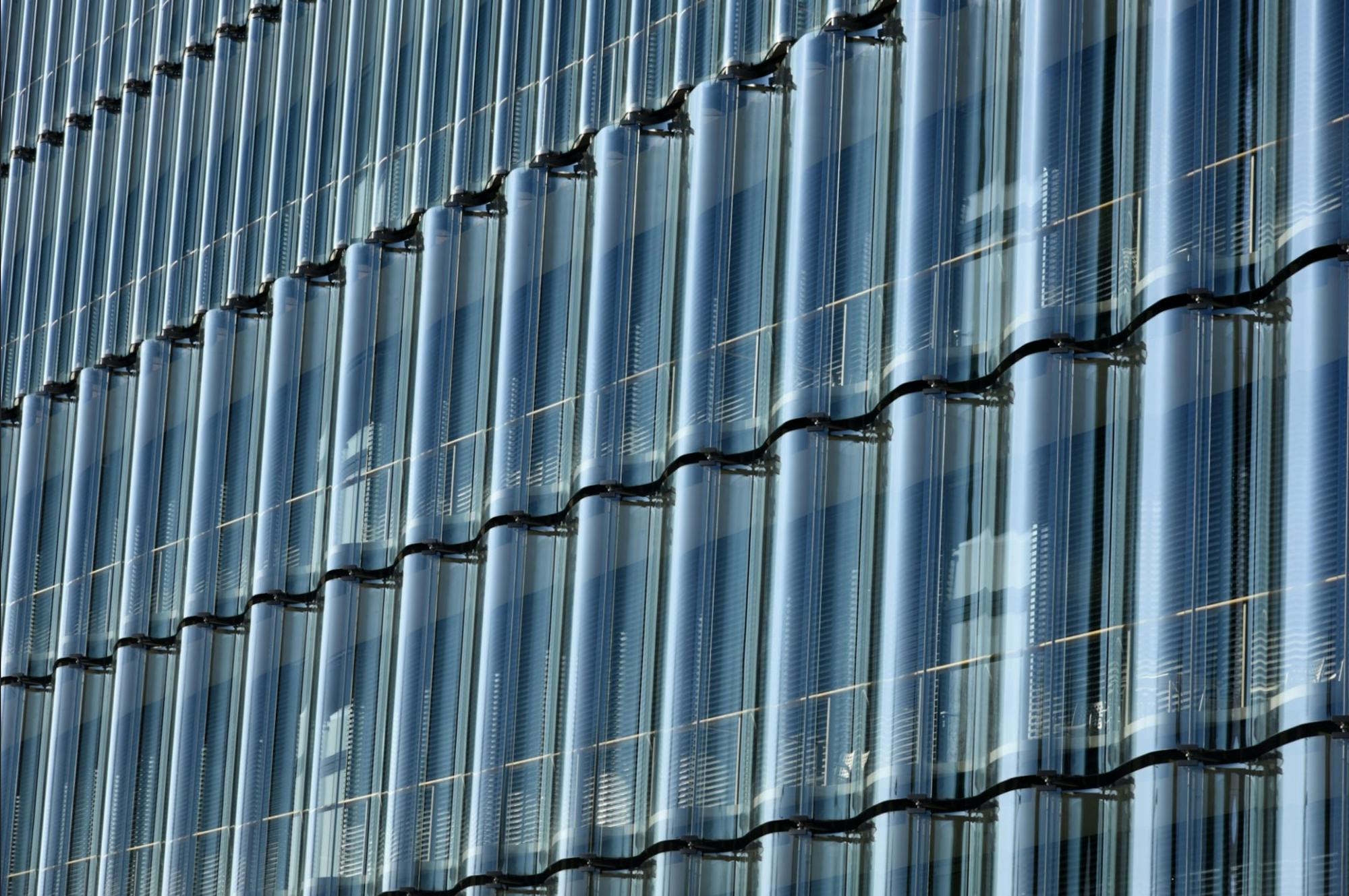
Glass is often the most visible yet invisible part of a building. It defines modern architecture, bridging the gap between the interior sanctuary and the exterior world. But beyond the simple clear pane, there is a deep world of engineering, chemistry, and artistry.
Based on technical architectural resources, we’re breaking down exactly how modern glass shapes our environment—from the molten tin bath to the high-tech coatings that save energy.
1. The Float Revolution
For centuries, making a perfectly flat sheet of glass was a struggle. Early artisans spun molten glass into discs (“Crown method”) or blew huge cylinders. It wasn’t until the 1950s that the Float Method changed everything.
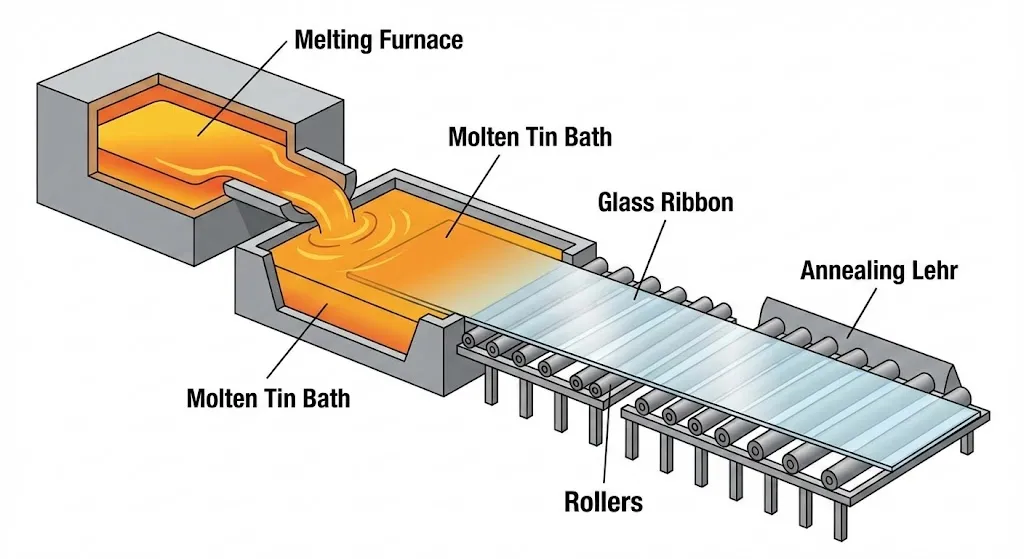
By floating molten glass on a bath of liquid tin at 1600°C, manufacturers achieved perfect flatness through gravity and surface tension. This innovation is why the windows in your home are free of the distortions found in historic buildings.
2. Mastering the Elements: Heat and Light
Glass isn’t just a barrier against the wind; it’s an energy filter.
- Heat Absorbing Glass: Soaks up solar energy to keep interiors cooler.
- Heat Reflective Glass: Bounces sunlight away using metal oxide coatings.
- Low-E (Low Emissivity) Glass: The gold standard for modern efficiency.
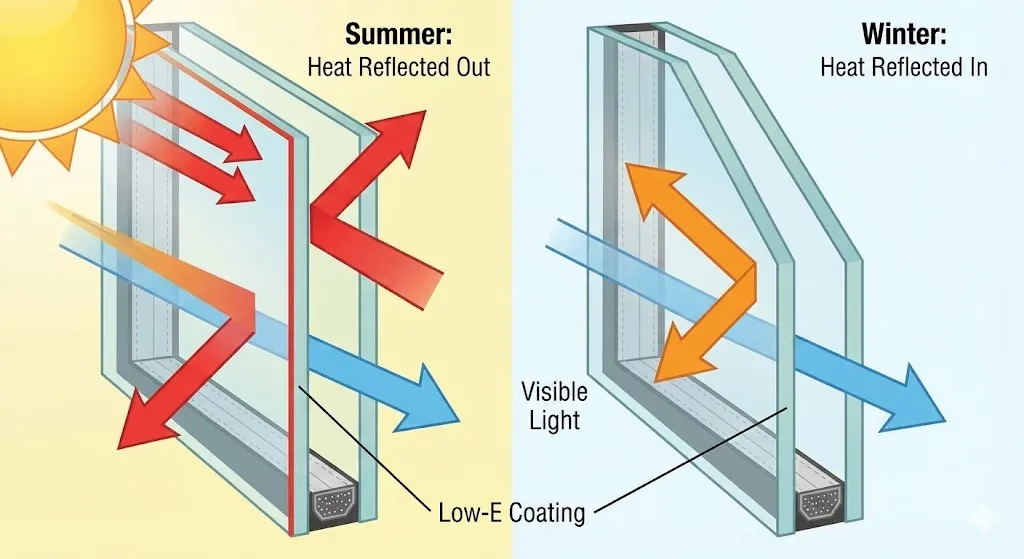
Low-E glass uses a microscopic silver coating to reflect infrared heat. In the summer, it blocks heat from entering; in the winter, it reflects your indoor heating back into the room.
3. Safety First: The Shatter Factor
Not all glass breaks the same way. Understanding the difference between Tempered and Laminated glass is critical for safety.
- Tempered Glass: Rapidly heated and cooled to create surface tension. It is 3-5 times stronger than standard glass. If it breaks, it crumbles into safe, granular chunks rather than jagged shards.
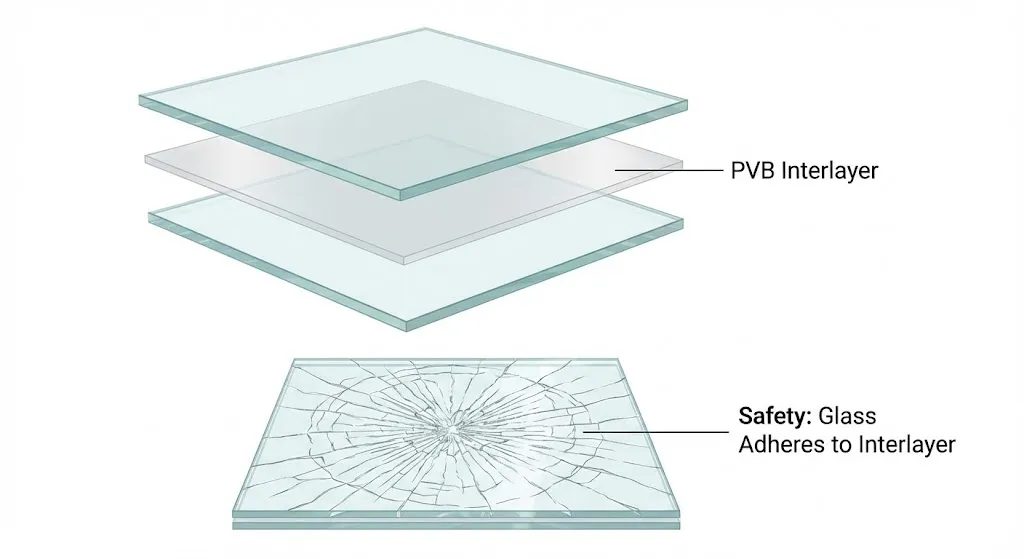
- Laminated Glass: The “Safety Sandwich.” Two sheets of glass are bonded with a PVB (resin) interlayer. Even if the glass cracks, the interlayer holds the pieces together, making it ideal for windshields and security windows.
4. The Aesthetic Frontier
Modern technology allows architects to treat glass as a canvas.
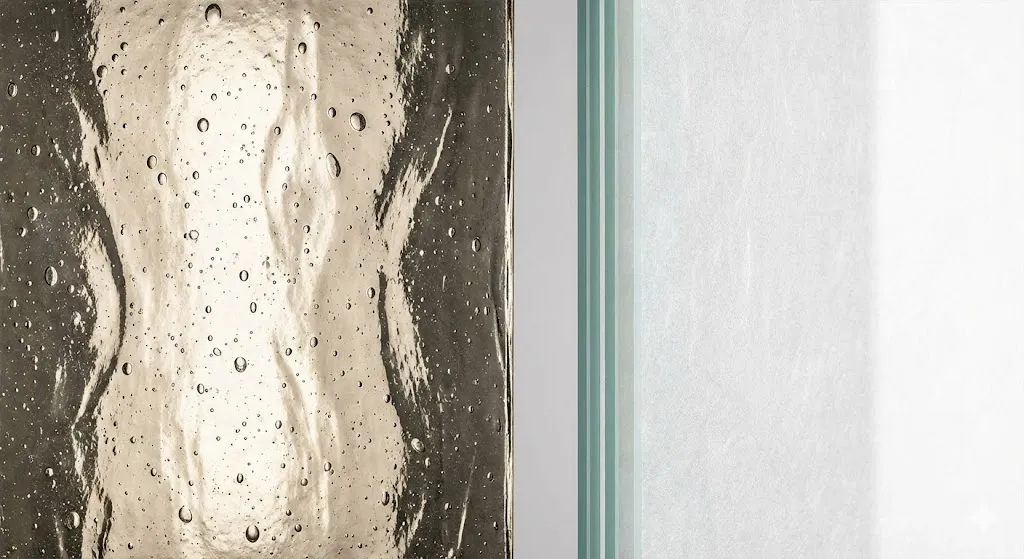
- The “Sandwich” Technique: Laminated glass isn’t just for safety. Designers are now inserting metal mesh, fabrics, and even traditional Japanese Washi paper between glass layers to create stunning, light-diffusing partitions.
- Texture and Nostalgia: While the Float method perfected clarity, there is a rising trend in “imperfect” glass. Antique glass styles that mimic the bubbles and waviness of pre-industrial manufacturing are making a comeback for their warmth and character.
Conclusion
Whether it’s the vacuum-sealed insulation of high-tech eco-glass or the nostalgic waviness of a bubble-filled antique pane, glass is far more than a transparent wall. It is a material that controls light, sound, and heat, proving that the clearest material is often the most complex.