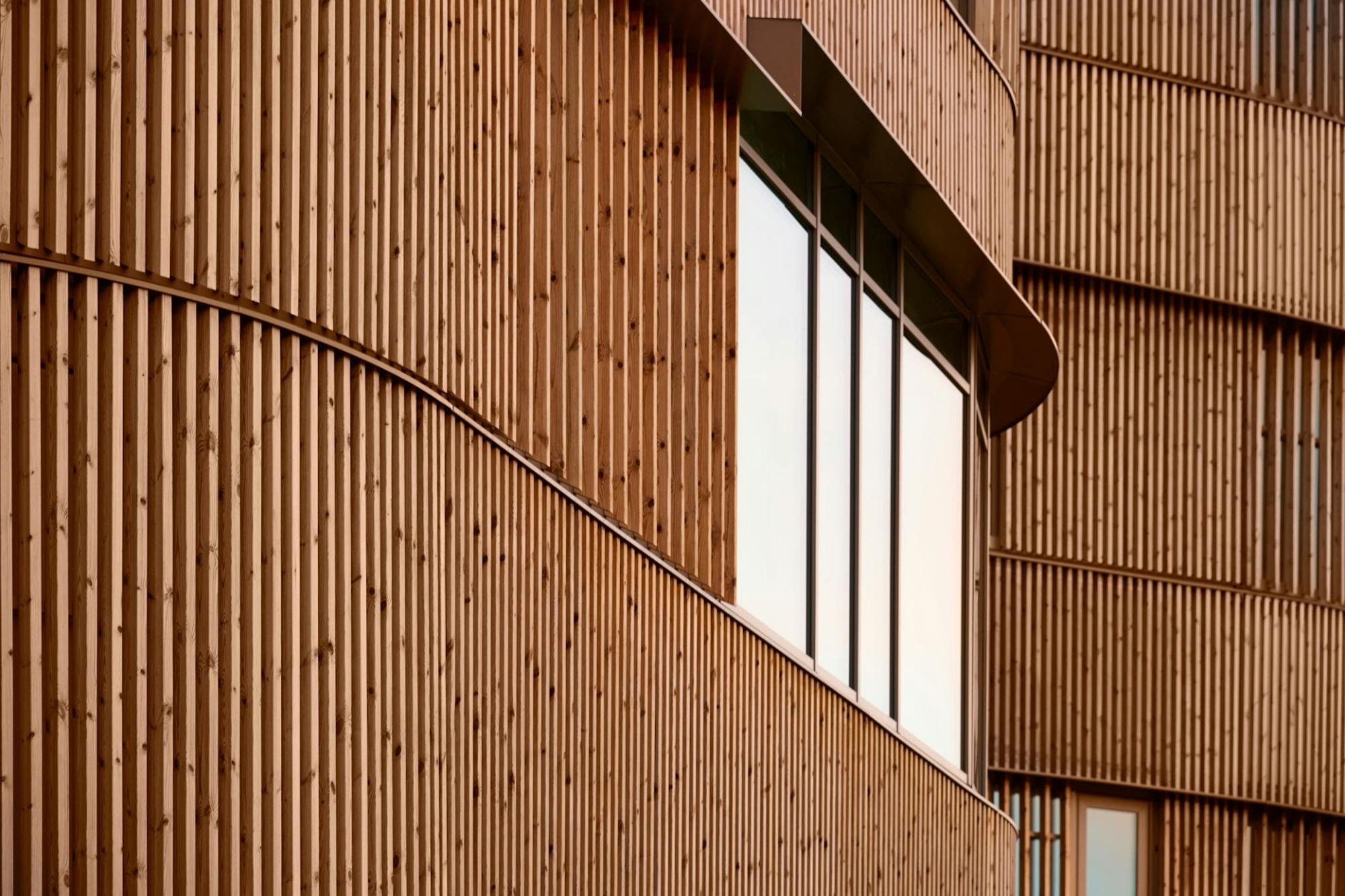
Whether you are a home owner, a DIY enthusiast, or simply someone who appreciates the warmth of natural materials, understanding wood is essential. It’s not just about “brown stuff” from trees; it’s a complex material with deep biological and structural characteristics.
Drawing from detailed technical specifications, this guide explores the journey of wood from forest to furniture, helping you make informed choices for your next project.
1. The Biology: Softwood vs. Hardwood
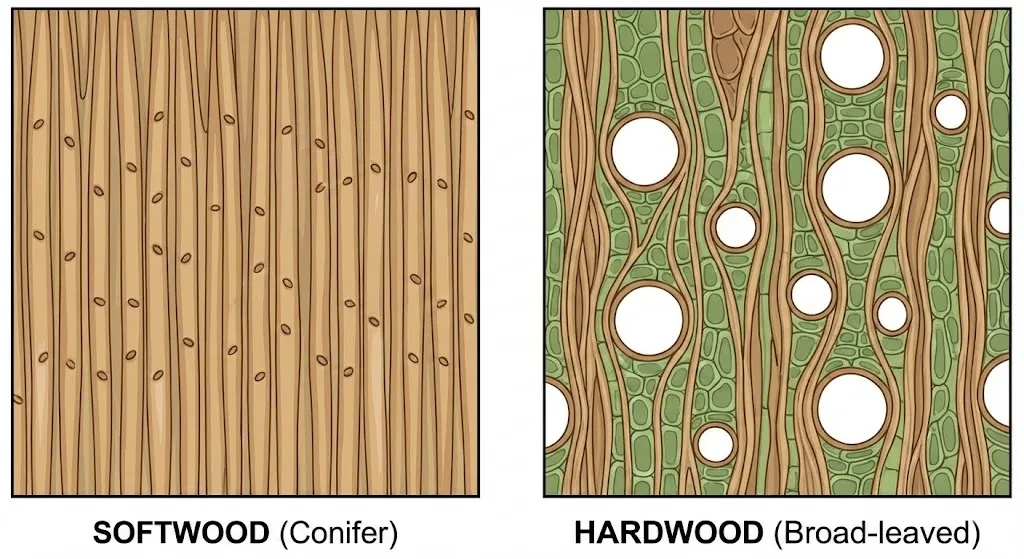
The most fundamental distinction in timber is between conifers (Softwoods) and broad-leaved trees (Hardwoods). This isn’t just about physical hardness; it’s about cell structure.
- Softwoods (Needle-leaved): Trees like Cedar, Cypress, and Pine. They are generally lighter, softer, and easier to process. Structurally, their cells are aligned in an orderly fashion.
- Hardwoods (Broad-leaved): Trees like Oak, Walnut, and Maple. These are typically heavier, harder, and feature complex vessel structures (“pores”) that create diverse grain patterns.
Pro Tip: Don’t let the names fool you. Some softwoods like Yew are harder than some hardwoods like Balsa. However, in general construction, softwoods are used for structural framing, while hardwoods are prized for durable flooring and furniture.
2. Grain and Cut: The Art of the Saw
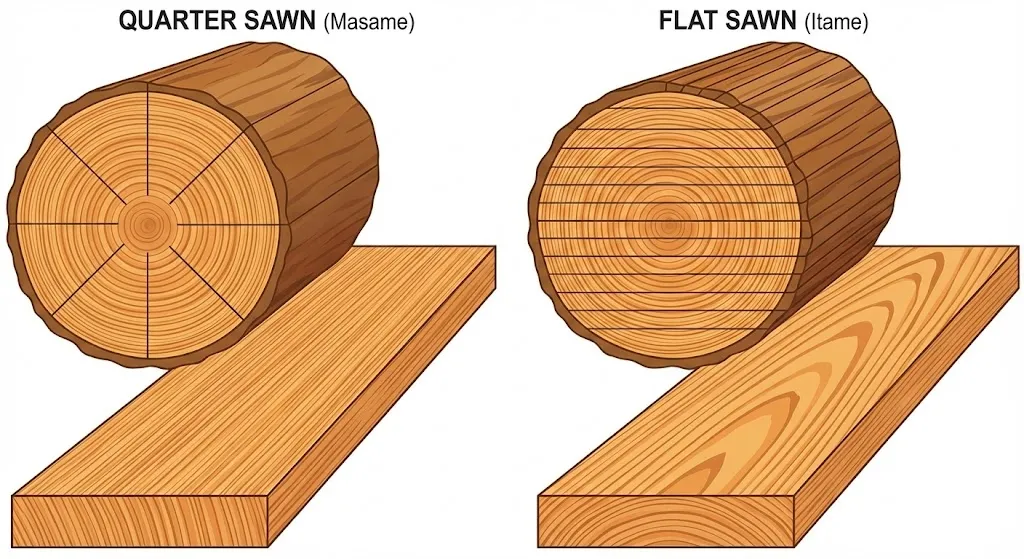
How a log is sliced determines both the look and stability of the board.
- Quarter Sawn (Masame): The log is cut perpendicular to the growth rings. This produces straight, parallel grain lines. It is dimensionally stable and less prone to warping.
- Flat Sawn (Itame): The log is cut tangent to the growth rings. This creates the classic “cathedral” or mountain-shaped grain pattern. It offers a wilder, more natural look but can cup or warp more easily.
3. Iconic Species: East Meets West
The choice of species defines the character of a space.
The Japanese Classics
- Hinoki (Japanese Cypress): The king of Japanese wood. It has a pale pinkish-white hue, a distinct lemon-ginger scent, and excellent rot resistance. It is the standard for high-end shrines and bathtubs.
- Sugi (Japanese Cedar): softer and darker than Hinoki, widely used for ceilings and fittings.
Global Favorites
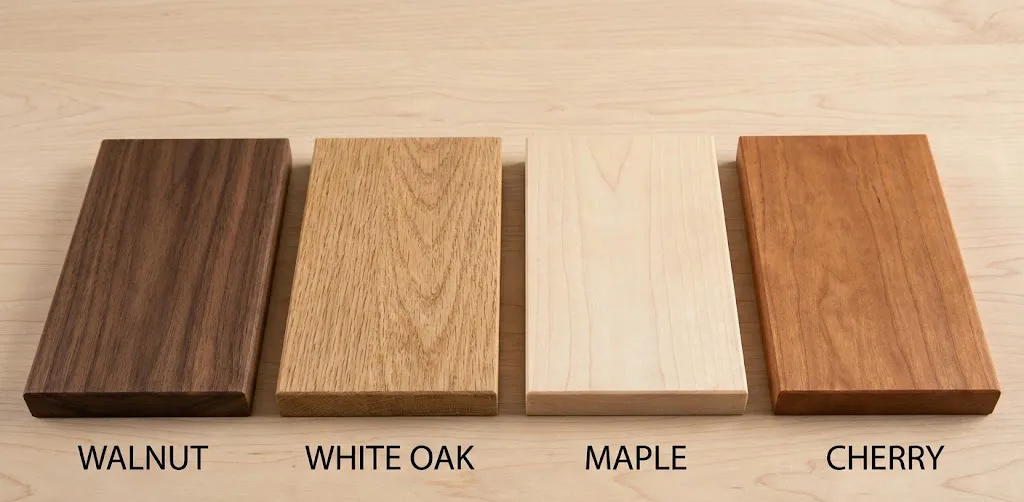
- Walnut: Famed for its rich, chocolate-brown heartwood. It polishes to a high luster and is a favorite for luxury furniture.
- White Oak: Heavy, hard, and durable. Known for its water resistance (historically used for whisky barrels) and distinct “tiger ray” grain patterns.
4. Engineered Wood: The Modern Revolution
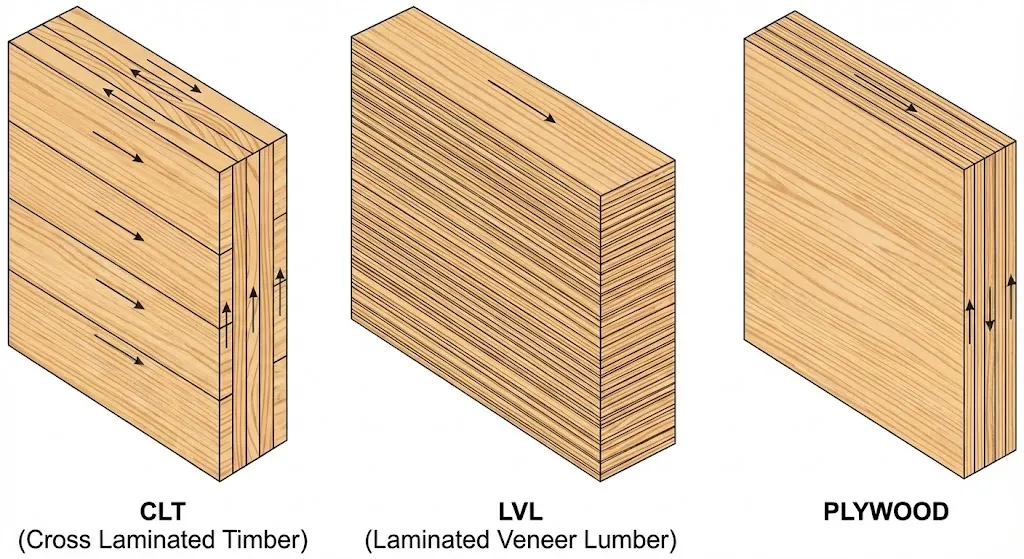
While solid wood is beautiful, it has limitations—it moves, cracks, and is limited by the size of the tree. Enter “Engineered Wood,” the technology allowing for massive timber skyscrapers.
- CLT (Cross Laminated Timber): Thick laminae are glued in alternating perpendicular layers. This creates massive panels capable of acting as load-bearing walls for multi-story buildings.
- LVL (Laminated Veneer Lumber): Veneers are glued with grains running parallel. This maximizes tensile strength, making it perfect for beams and headers.
- Plywood: The classic engineered wood. Thin veneers are cross-laminated for stability.
5. Finishes: Protection vs. Texture
Once you’ve chosen your wood, you must decide how to finish it.
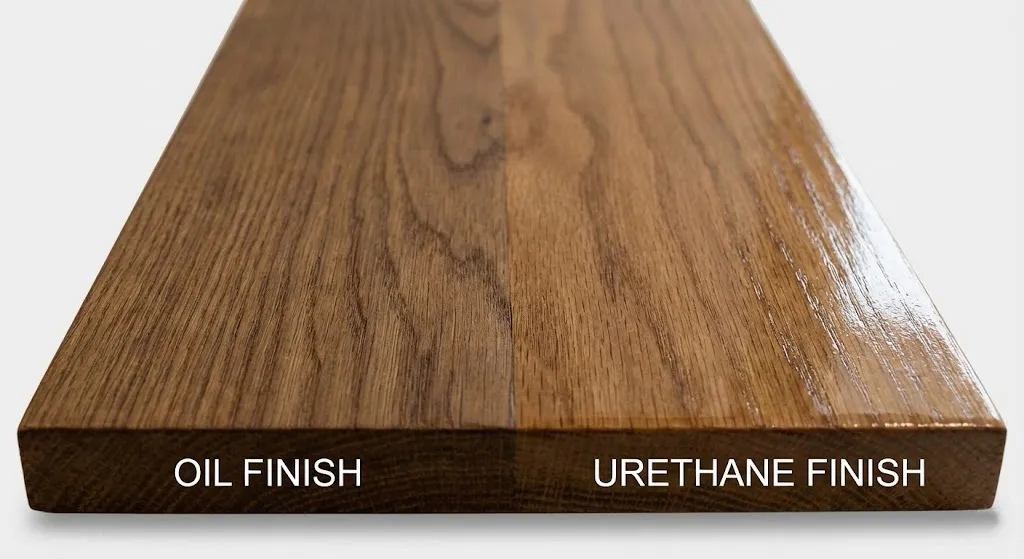
- Urethane/Polyurethane: Creates a plastic film on top.
- Pros: High protection against water and stains. Zero maintenance.
- Cons: Can look plastic-y; you don’t feel the actual wood.
- Oil Finish: Soaks into the wood fibers.
- Pros: Natural feel and look; grain is enhanced.
- Cons: Less water resistance; requires periodic re-oiling.
- Traditional Japanese Finishes: Techniques like Uzukuuri (scrubbing with roots to raise the grain) or Naguri (hand-carving hexagonal patterns) add tactile depth that modern sanding cannot replicate.