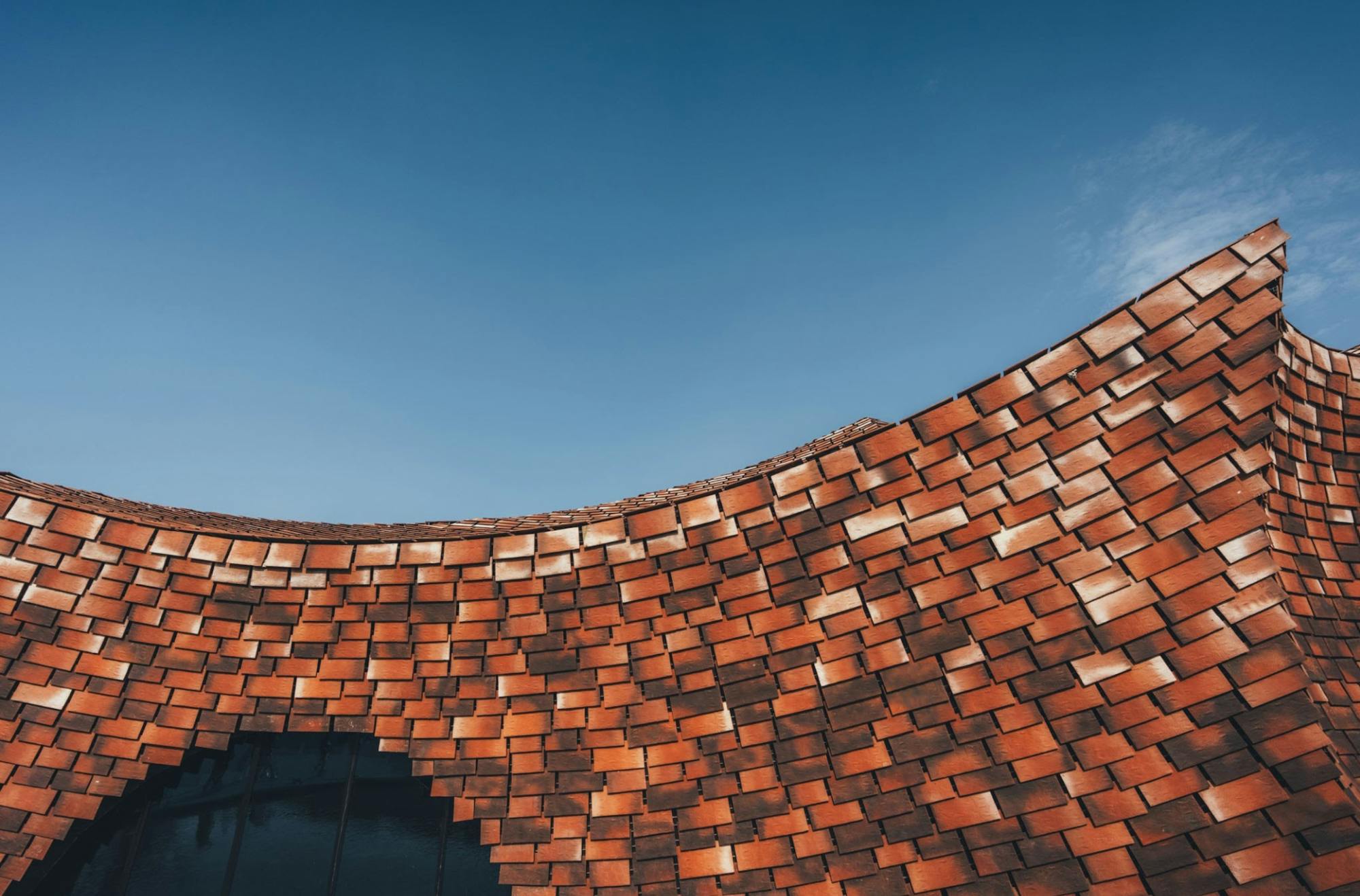
When we walk into a building, we often overlook the materials beneath our feet or on the walls. However, the world of tiles and bricks is a deep fusion of ancient history, complex chemistry, and modern technology. Based on a deep dive into architectural ceramics, here is a breakdown of what makes these materials so special.
1. The Anatomy of a Tile
At its core, a glazed tile is a ceramic body covered in a glass layer. The process begins with raw materials: “plastic” materials like clay give the shape strength, while “non-plastic” materials like quartz or pottery stone prevent deformation during firing.
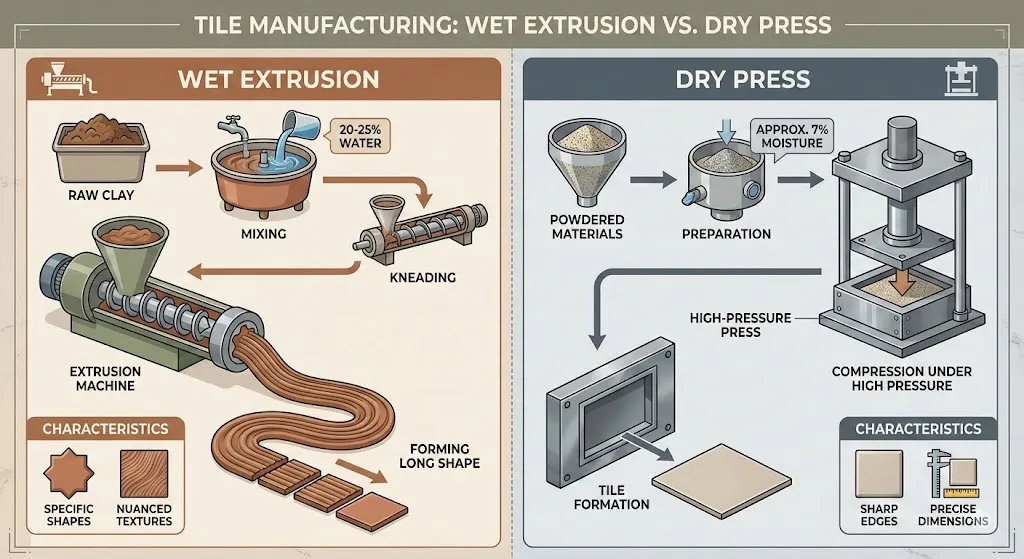
Manufacturing Methods
How a tile is shaped defines its character.
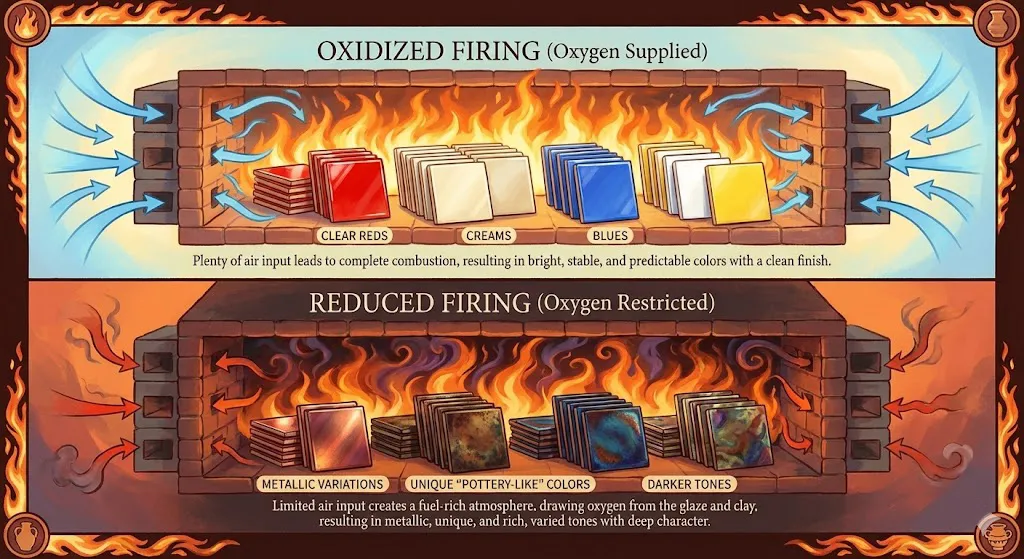
The Magic of Firing
The kiln is where the magic happens. The atmosphere inside the kiln dictates the final color and character of the tile.
2. A Brief History of Tiles
The story of tiles is the story of human civilization.
- Ancient Roots: The origins of wall decorations date back to Mesopotamia (3500 BC) and Egypt.
- Islamic Influence: From the 7th century onward, Islamic culture revolutionized tiling, using complex geometries to cover mosques in breathtaking patterns.
- The Industrial Revolution: In the 19th century, British manufacturers like Minton and Wedgwood began mass-producing tiles, leading to a “Golden Age” in the Victorian era.
- Japan’s Contribution: In the Meiji era, German chemist Gottfried Wagener helped modernize Japanese tile manufacturing, bridging traditional pottery with Western technology.
3. Decorative Techniques: More Than Just Print
Before modern digital printing, artisans used ingenious methods to add color and depth to tiles.
- Relief: Pressing molds onto the tile to create 3D patterns, using glaze thickness to create shading.
- Inlay (Encaustic): Carving out the clay body and filling the hollows with different colored clays.
- Tube Lining: Squeezing a line of slip (liquid clay) to create raised borders, preventing different colored glazes from mixing.
- Cuerda Seca: Using a mix of wax or oil and manganese to draw lines that resist the glaze, allowing for distinct color separation.
4. Modern Functionality: Tiles That Work for You
Today’s tiles aren’t just decorative; they are functional high-tech products.
- Hygiene: Some modern tiles have silver ions embedded in the glaze to prevent bacterial growth 24/7.
- Climate Control: Functional tiles can regulate humidity, reducing mold, mites, and bad odors in the home.
- Sustainability: Manufacturers are using recycled materials, such as slag, to create eco-friendly tiles.
- Material Mimicry: Advanced printing allows tiles to perfectly replicate the look and texture of wood, stone, and cement.
5. The Timelessness of Bricks
Bricks share a lineage with tiles, evolving from sun-dried mud in Mesopotamia to the fired bricks of Rome.
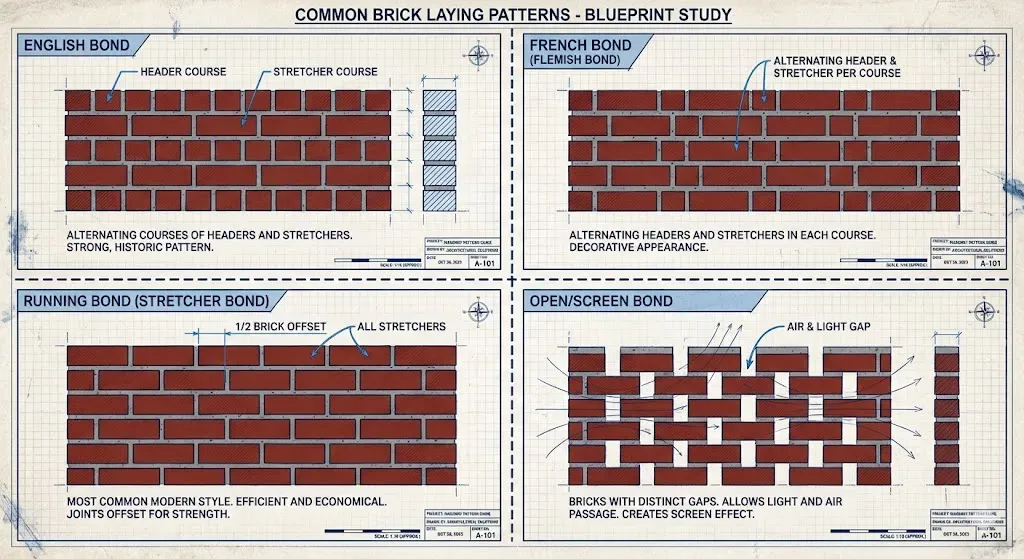
Brick Laying Patterns
The pattern in which bricks are stacked significantly changes the aesthetic and structural properties of a wall.
Modern Brick Innovations
- Aging: New bricks can be processed to look antique for restoration work or vintage aesthetics.
- Glass Bricks: Solid glass blocks are used to create translucent facades, merging durability with transparency.
Whether it’s the microscopic silver ions in your bathroom tiles or the specific firing method of the bricks on a hotel facade, these materials tell a story of craftsmanship and innovation. Next time you see a tiled wall, look closer—you might just spot the difference between a “pressed” tile and an “extruded” one!