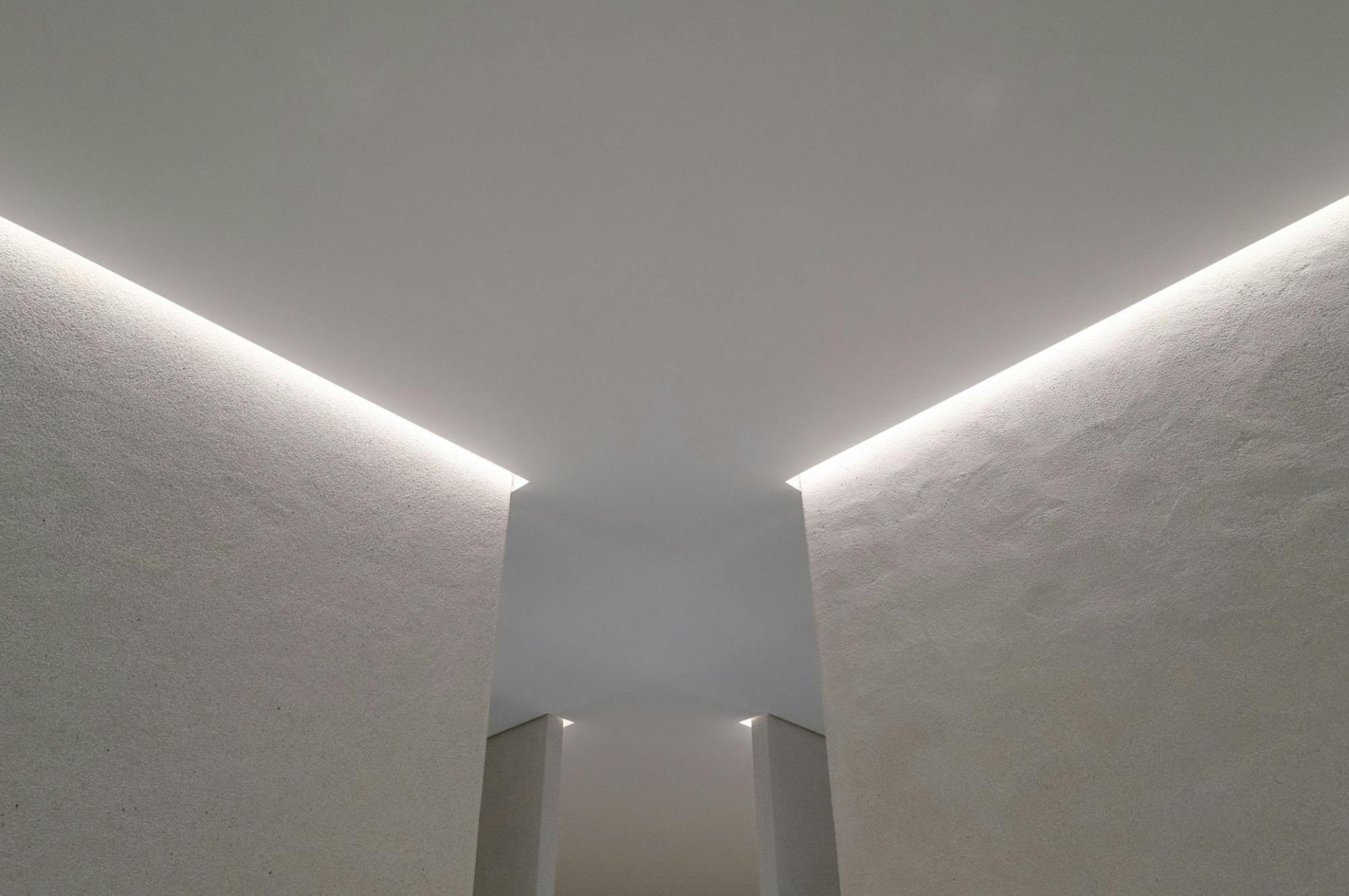
Have you ever walked into a room and immediately felt relaxed, or conversely, stepped into an office and felt instantly alert? The secret isn’t just the furniture or the paint color—it’s the lighting.
Lighting does much more than just help us see; it shapes our mood, influences our health, and changes how we perceive the world around us. Here is a breakdown of the fundamental principles of lighting design to help you create a beautiful and comfortable home.
1. The Three Elements of Light
To truly master lighting, you need to understand its three foundational elements. It’s not just about flipping a switch; it’s about crafting an environment.
Element | What it is | Why it matters |
Brightness (Luminance vs. Illuminance) | The perceived intensity of light. Luminance is light reflecting off a surface, while illuminance is light hitting a surface. | Ensures visibility. Remember, a white wall will look brighter than a dark wall even with the same amount of light hitting it. |
Light Color (Color Temperature) | The warmth or coolness of the light, measured in Kelvin (K). | Sets the emotional tone of a space, from cozy to energetic. |
Lighting Direction (Modeling) | The angle from which light strikes an object. | Creates depth, highlights, and shadows. Diffused light is soft, while direct light can be dramatic or harsh. |
2. Setting the Mood with Color Temperature
Light color acts as the emotional dial for your space. It is measured in Kelvin (K), and different temperatures evoke different feelings.
Here’s a quick guide to how color temperature influences the atmosphere:
[ Warm Light (approx. 3000K) ]
- Appears: Orange or reddish, like a sunset or candlelight.
- Mood: Cozy, relaxing, inviting.
- Best for: Living rooms, bedrooms, dining areas.
- (Think of a soft, warm glow from a fireplace)
[ Cool Light (approx. 5000K – 6500K) ]
- Appears: Bluish-white, like midday sun.
- Mood: Alert, active, focused.
- Best for: Offices, kitchens, workshops, garages.
- (Think of bright, clear daylight)
A famous study known as the Kruithof curve shows that we naturally prefer bright light when the color temperature is high (like a sunny day), and dimmer light when the color temperature is low (like a sunset or candlelight).
3. Showing True Colors: The Magic of CRI
Have you ever bought an outfit that looked great in the store but totally different when you got home? That’s due to color rendering—how accurately a light source reveals true colors compared to natural sunlight. This is measured by the Color Rendering Index (CRI or Ra).
CRI Score | Color Accuracy | Effect |
Low CRI (<80) | Poor | Colors appear dull, washed out, or distorted. Food may look unappealing. |
High CRI (90-100) | Excellent | Colors appear vibrant, true-to-life, and natural. Essential for food, art, and skin tones. |
- While a high general Ra is good, specific colors matter too. For example, “R9” measures how vibrant reds look, and “R15” measures the appearance of Japanese skin tones.
- Using high-color-rendering LEDs in dining areas makes food (like red apples or fresh meat) look much more appetizing, and using them in bathrooms can help you accurately check your complexion.
4. Lighting for Your Health (Circadian Lighting)
Our bodies run on a 24-hour internal clock, or circadian rhythm, which is heavily influenced by light. Mimicking natural light patterns can significantly improve your sleep and overall well-being.
Here is how you can use light to support your body’s natural rhythm:
[ Morning & Day ]
- Light Type: Bright, cool-toned light (high Kelvin).
- Action: Suppresses melatonin (sleep hormone).
- Result: Helps you wake up, feel alert, and stay productive.
[ Evening & Night ]
- Light Type: Warmer, dimmer light (low Kelvin).
- Action: Encourages melatonin production.
- Result: Prepares your body for a smooth transition into deep, restful sleep.
Today, you can use “circadian lighting” in your home by installing tunable LED fixtures that change from bright, cool light during the day to warm, dim light at night.
5. Designing for Aging Eyes
As we age, our eyes undergo physical changes that alter how we experience light. When planning a home, it’s crucial to design lighting that is comfortable across all generations.
Here are key considerations for lighting for older adults:
- Pupils Shrink: Older eyes let in less light. A room will naturally look darker to an elderly person than to a younger one, so higher illumination levels are often needed.
- Lenses Cloud: The eye’s lens becomes slightly opaque, causing light to scatter inside the eye, leading to glare. Because short-wavelength light (blue/cool light) scatters the most, cool-toned lights can be uncomfortable.
- Solution: Use warm, low-color-temperature lighting which is much gentler and easier for older eyes to see by, while still providing sufficient brightness without harsh glare.
By understanding these fundamental principles of lighting, you can transform your home into a space that is not only beautiful but also supports your health, mood, and comfort at every stage of life.